ATTR-CM IS AN UNDERDIAGNOSED, RAPIDLY PROGRESSIVE, DEBILITATING AND FATAL DISEASE1
LEARN ABOUT THE DIFFERENT CAUSES OF HF IN ATTR-CM, AND HOW THE DISEASE PROGRESSES
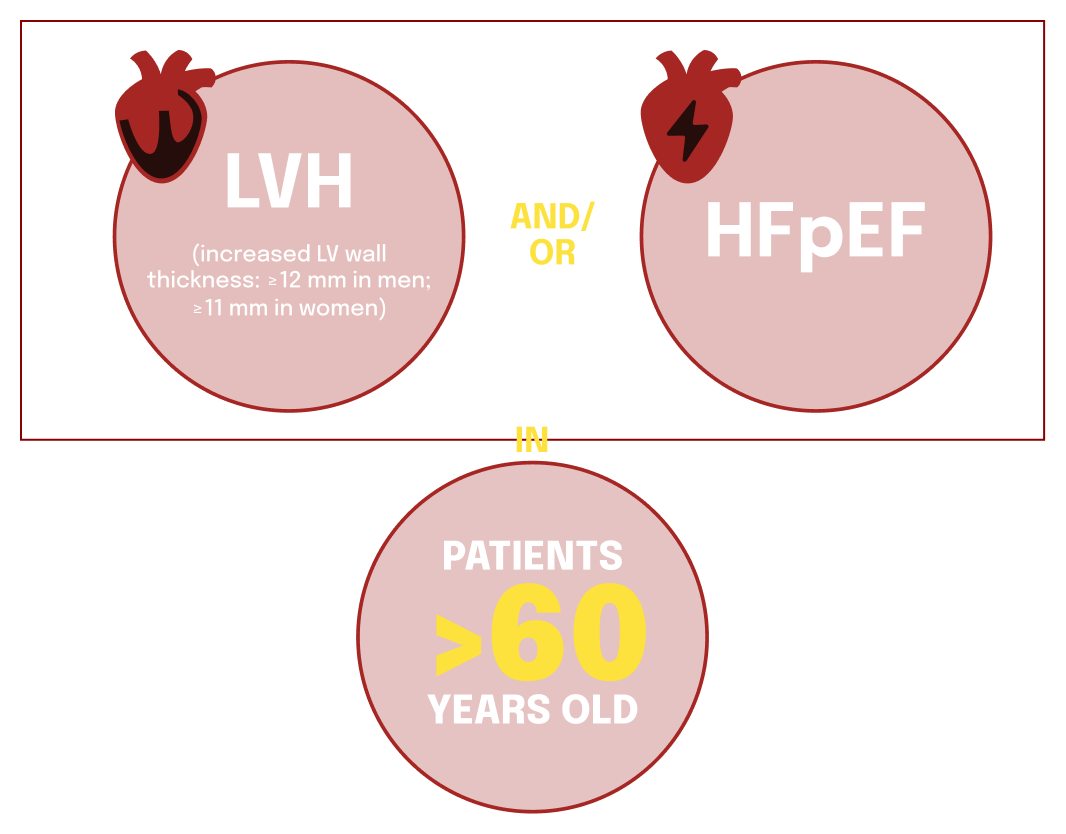
PATIENTS WITH ATTR-CM ARE ALREADY IN YOUR PRACTICE2–4
Up to
~1 IN 6
patients with LVH2,3
and
~1 IN 7
patients with
HFpEF2,4
are likely to have ATTR-CM
If your patient is experiencing heart failure symptoms, think ATTR-CM
ANY DELAY IN DIAGNOSIS OF ATTR-CM CAN RESULT IN PROGRESSIVE DISABILITY AND WORSE OUTCOMES5–7
ATTR-CM is an underdiagnosed, rapidly progressive, debilitating and fatal disease.1 Life expectancy for patients with ATTR-CM is 2–6 years from the point of diagnosis1
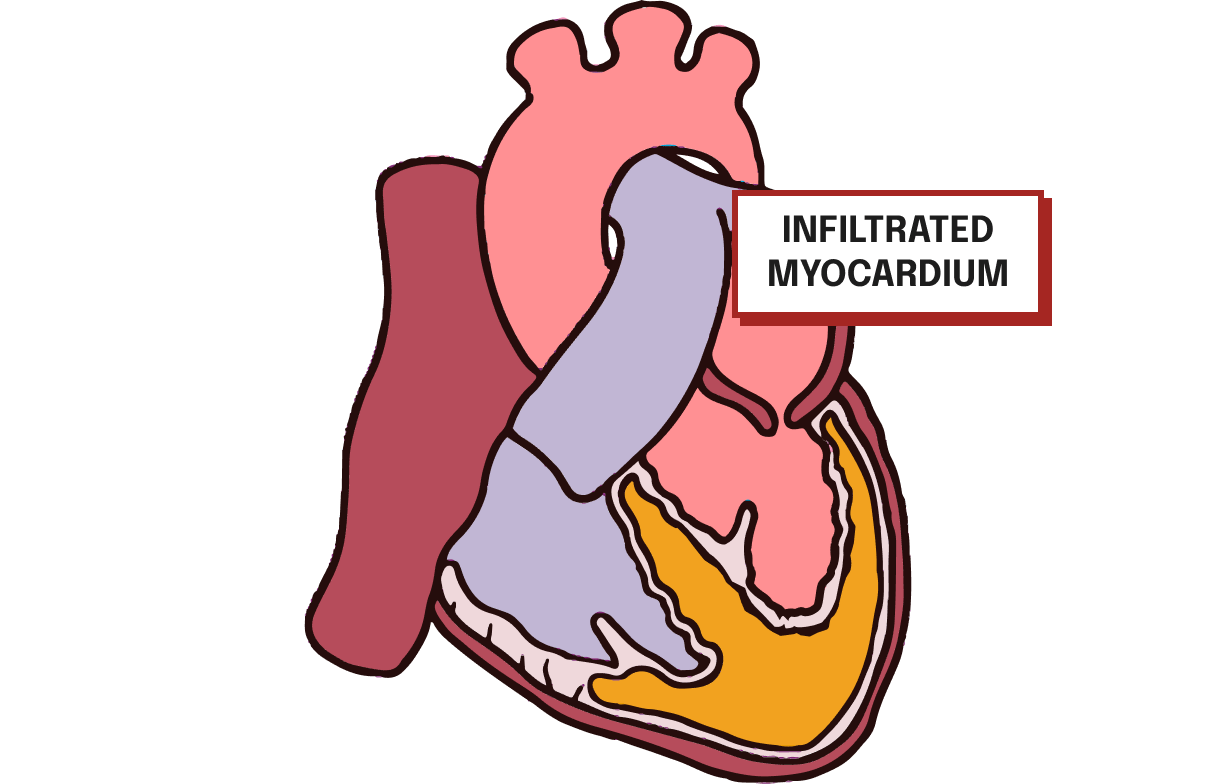
Learn about how the build-up of toxic misfolded TTR* deposits causes ATTR-CM, and the impact of disease progression
*Toxic TTR refers to the misfolded TTR proteins in patients with ATTR-CM which aggregate into amyloid fibrils, causing multisystemic deposits.8,9
KNOW THE RED FLAG SYMPTOMS THAT SHOULD RAISE SUSPICION OF ATTR-CM
Patients with ATTR-CM are already in your practice – look out for key clinical signs and investigative findings to uncover the disease2–4
Learn about the clinical signs and symptoms of ATTR-CM that should prompt confirmatory assessments
TIMELY DIAGNOSIS IS CRITICAL6,10
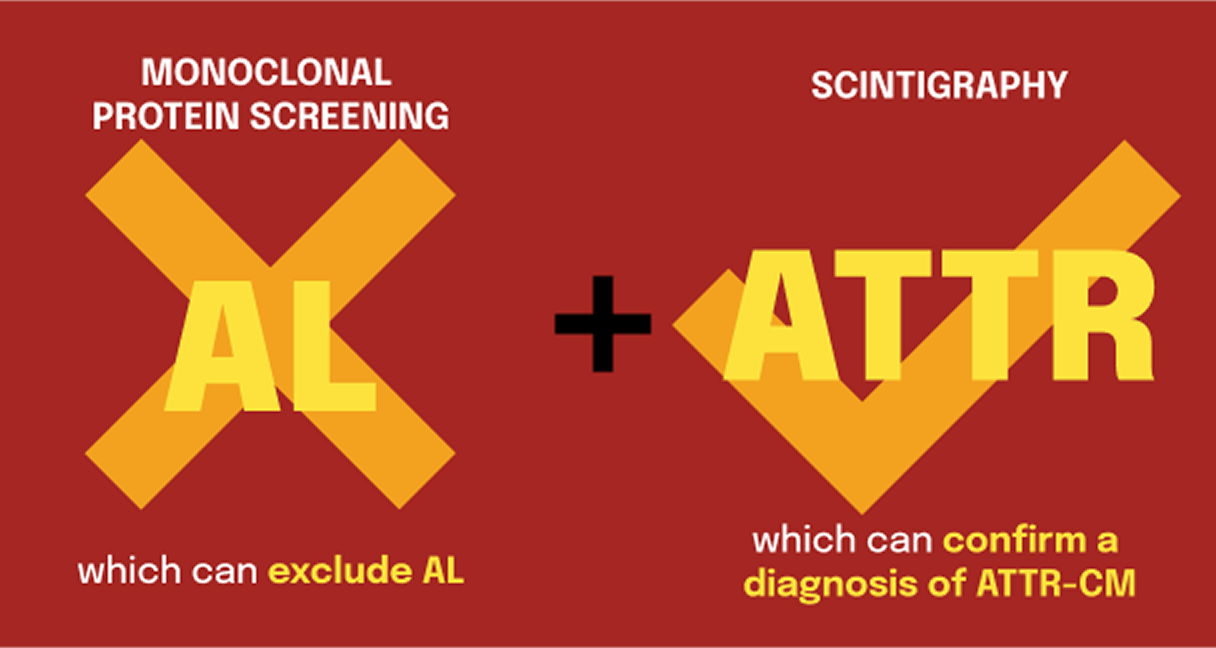
Diagnose ATTR-CM in two key steps and act fast when ATTR-CM has been confirmed: rapidly initiate specific ATTR-CM treatment, or refer to a centre that can1,6,7,11
Learn about the diagnostic steps to confirm a diagnosis of ATTR-CM

RECOGNIZING PATIENTS IN YOUR PRACTICE
Explore profiles of patients you may see in your practice, and understand the signs that led to a diagnosis of ATTR-CM

